
When Your Five-Year-Old Keeps Interrupting
Interrupting is a developmental milestone, not a lack of manners. Learn how to turn this common frustration into a moment for connection and long-term social growth.
The art of the pause
If your 5 year old keeps interrupting, you are likely experiencing a very normal stage of cognitive development. At this age, children are learning that they have their own thoughts, and those thoughts feel urgent. They do not yet have the impulse control to hold onto an idea while waiting for a lull in your conversation. Instead of viewing this as defiance, we can view it as a skill-building opportunity.
Using stories to bridge the gap
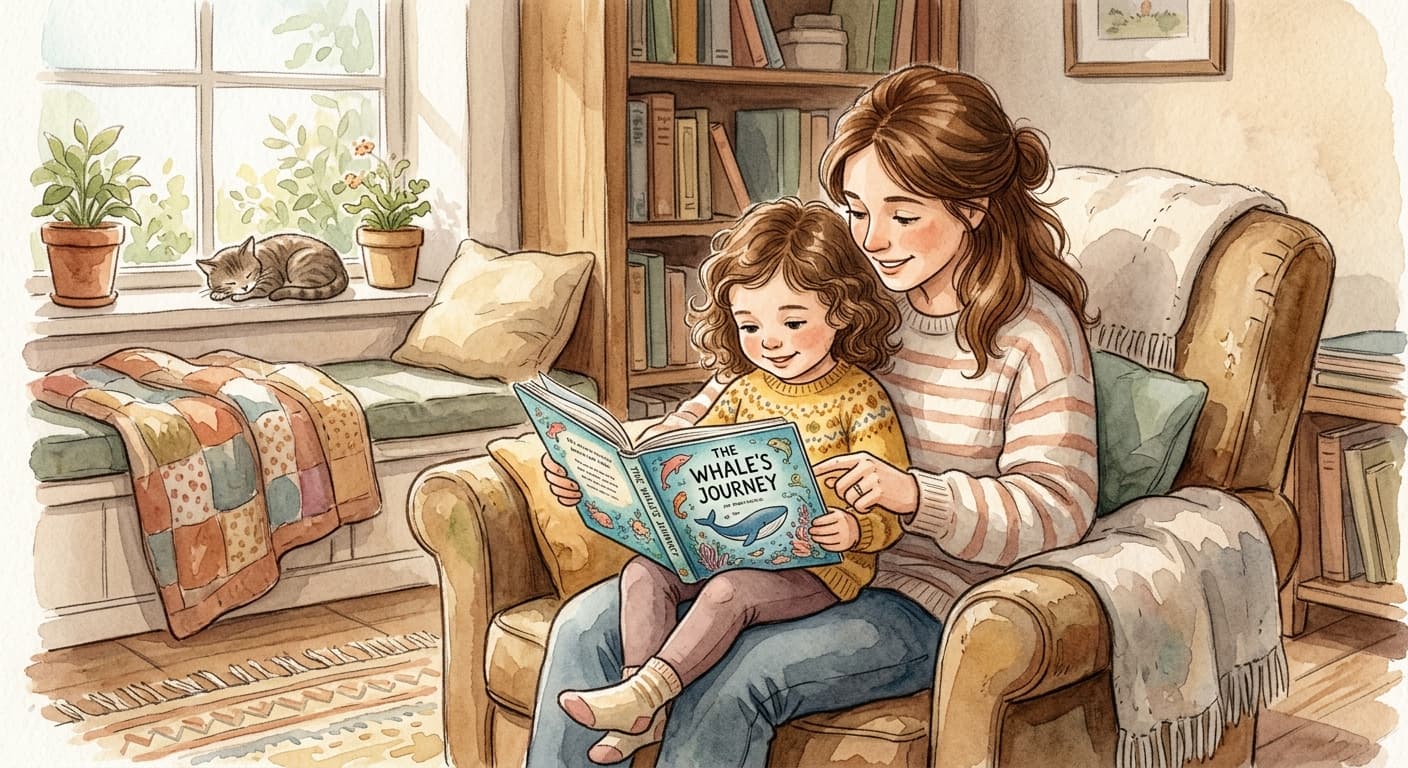
Young children often struggle to process adult explanations about social etiquette. When we tell them to "wait their turn," the abstract concept is difficult to grasp. A picture book about waiting your turn to talk provides a tangible, low-pressure way to practice. By seeing a beloved character navigate the frustration of wanting to speak immediately, your child can observe the benefits of listening without feeling like they are being lectured.
Why personalization changes the narrative
While general books are helpful, a personalized story about waiting your turn to talk is particularly effective. When the protagonist shares your child’s name and interests, the lesson shifts from a general rule to a personal journey. They begin to see themselves in the role of a patient listener, which builds confidence in their ability to regulate their impulses.
Integrating the lesson into your routine
Make the practice of patience part of your evening wind-down. A bedtime story about listening before speaking serves as a gentle final reminder of the day’s lessons. As you read, pause to discuss how the characters felt when they waited, reinforcing the idea that their voice matters and will be heard when the timing is right.
Do’s and Don’ts for adult conversations
When you are in the middle of an important discussion and your child interrupts, try these approaches:
- Do acknowledge their presence with a simple touch, like a hand on their shoulder, to signal that you know they are there.
- Do teach a physical cue, such as them placing their hand on your arm, which tells you they have something to say without them needing to use words.
- Do circle back to them as soon as you are able, saying, "Thank you for waiting, I am ready to hear you now."
- Don't reprimand them for the interruption, as this often creates anxiety that makes them more likely to interrupt again to ensure they aren't forgotten.
- Don't expect perfection; five-year-olds are still learning the rhythm of social interaction and will need many consistent reminders.
By framing this as a skill they are actively learning rather than a behavior they are choosing to fail at, you turn a parenting challenge into a foundation for meaningful communication.
ऐसे ही विचारों को अपने बच्चे की अगली कहानी बनाएं
Smart Storytime ऐसी व्यक्तिगत और उम्र के अनुरूप किताबें बनाता है जो आपके बच्चे को कहानी के केंद्र में रखती हैं। एक किताब आज़माएं — या किसी प्लान के साथ असीमित पढ़ाई पाएं।