
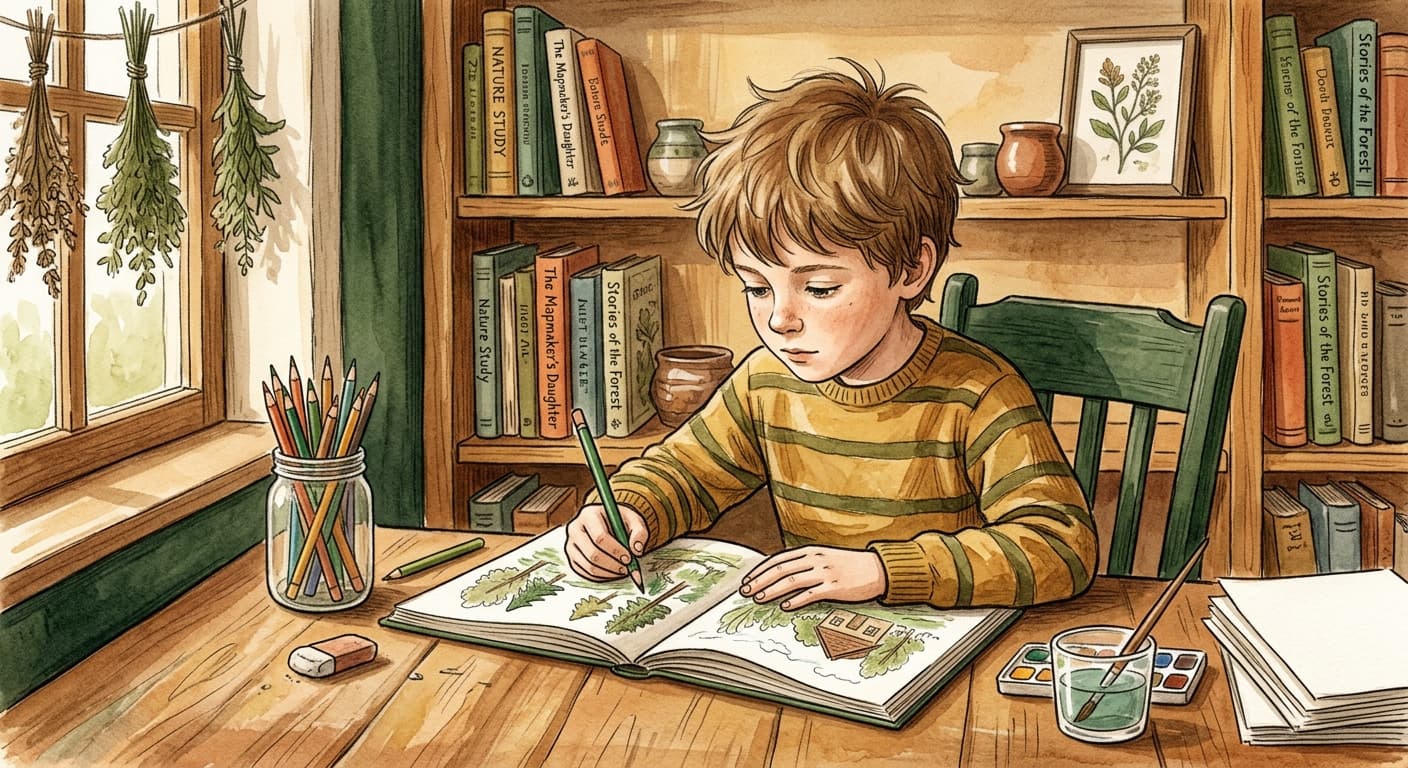
When Your Child Says They Are Bored
Discover how to transform the I am bored phase into an opportunity for growth by fostering confidence and self-reliance through the power of narrative.
Moving beyond the constant entertainment cycle
Around age seven, many parents encounter a shift. The child who once spent hours captivated by a single wooden block is now frequently announcing, I am bored. For parents of kids who need constant entertainment, this can feel like a sudden demand to act as a full-time cruise director, which is both exhausting and unsustainable.
It is important to remember that this boredom is not a failure of your parenting or a lack of toys. It is actually a developmental milestone. At seven, children are developing a more complex sense of self, and they are beginning to realize that the world does not revolve entirely around their immediate impulses.
The value of independent play
Encouraging independent play is one of the most significant gifts you can offer a school-aged child. When a child is left to navigate their own boredom, they are forced to tap into their internal resources. They begin to experiment with problem-solving, creative thinking, and emotional regulation. This is the foundation of self-reliance.
However, shifting away from being their primary source of stimulation can feel like a big transition. This is where stories become a bridge.
Using stories to bridge the gap
Even at age seven, children are still deeply connected to narrative as a way to process their reality. Using stories about playing alone can help them see the magic in solitude. When a child reads about a character who feels bored but eventually discovers a hidden world in their own backyard or builds an elaborate fort, it normalizes the experience of being alone.
If you find your child struggling, try introducing a bedtime story about playing alone that highlights the satisfaction of completing a project. Whether the character is painting a mural, constructing a cardboard spaceship, or organizing a collection, the goal is to shift their perspective from passive waiting to active creating.
Practical steps to pivot
If your child is accustomed to having their time managed for them, try these three strategies to encourage a shift toward independent, project-based play:
- Provide a starting point: Instead of suggesting an entire activity, offer one prompt. For example, leave out a box of recyclables and ask, What could this become by dinner time?
- Validate the feeling, but hold the boundary: It is perfectly fine to say, It sounds like you are feeling bored. I am going to finish my work, and I am curious to see what you come up with on your own.
- Celebrate the process: When they finally engage in a project, avoid focusing on the end result. Instead, ask them about the choices they made while playing. This reinforces that their independent decisions have value.
By framing boredom as a quiet space for discovery rather than a problem to be solved, you help your child build the confidence to enjoy their own company. They will eventually learn that they are capable of being the architects of their own joy.
הפכו רעיונות כאלה לסיפור הבא של ילדכם
Smart Storytime יוצרת ספרים מותאמים אישית לגיל הילד שלכם, שמציבים אותו במרכז הסיפור. נסו ספר בודד — או פתחו קריאה ללא הגבלה במנוי.