
Building the Foundation for Independent Play
Discover how to transform solo play from a struggle into a peaceful habit by using the power of storytelling and intentional environment design.
Setting the stage for independence
When we look at how to teach independent play toddler habits, the most effective approach is to view it as a skill that requires scaffolding rather than a trait the child should inherently possess. Much like learning to tie shoes or brush teeth, solo play is a developmental milestone that thrives in a prepared environment. By curating a dedicated play space with limited, rotating toys, you reduce overwhelm and help your child focus on the task of discovery.
The power of the narrative blueprint
Children often struggle with playing alone because they lack a clear mental model of what that experience looks like. This is where a social story playing alone becomes an essential tool. By creating a narrative that walks your child through the process—from choosing a toy to becoming deeply engaged in a task—you provide them with a blueprint for their own behavior. This story acts as a gentle guide, showing them that being alone is not a punishment or an abandonment, but an opportunity for creativity and autonomy.
Why stories beat lectures
It is tempting to explain the benefits of independent play through verbal lectures, but young children’s minds are not yet wired for abstract reasoning or long-winded adult explanations. When you give a verbal lecture, the child often hears only the pressure to perform. In contrast, a picture book about playing alone is far more effective because it uses the oldest and most reliable teaching tool we have: the story. A book about playing alone for kids allows them to observe a character navigating the same feelings of hesitation or loneliness and finding success. It normalizes the experience in a way that feels safe and relatable, rather than directive.
Reinforcing success at bedtime
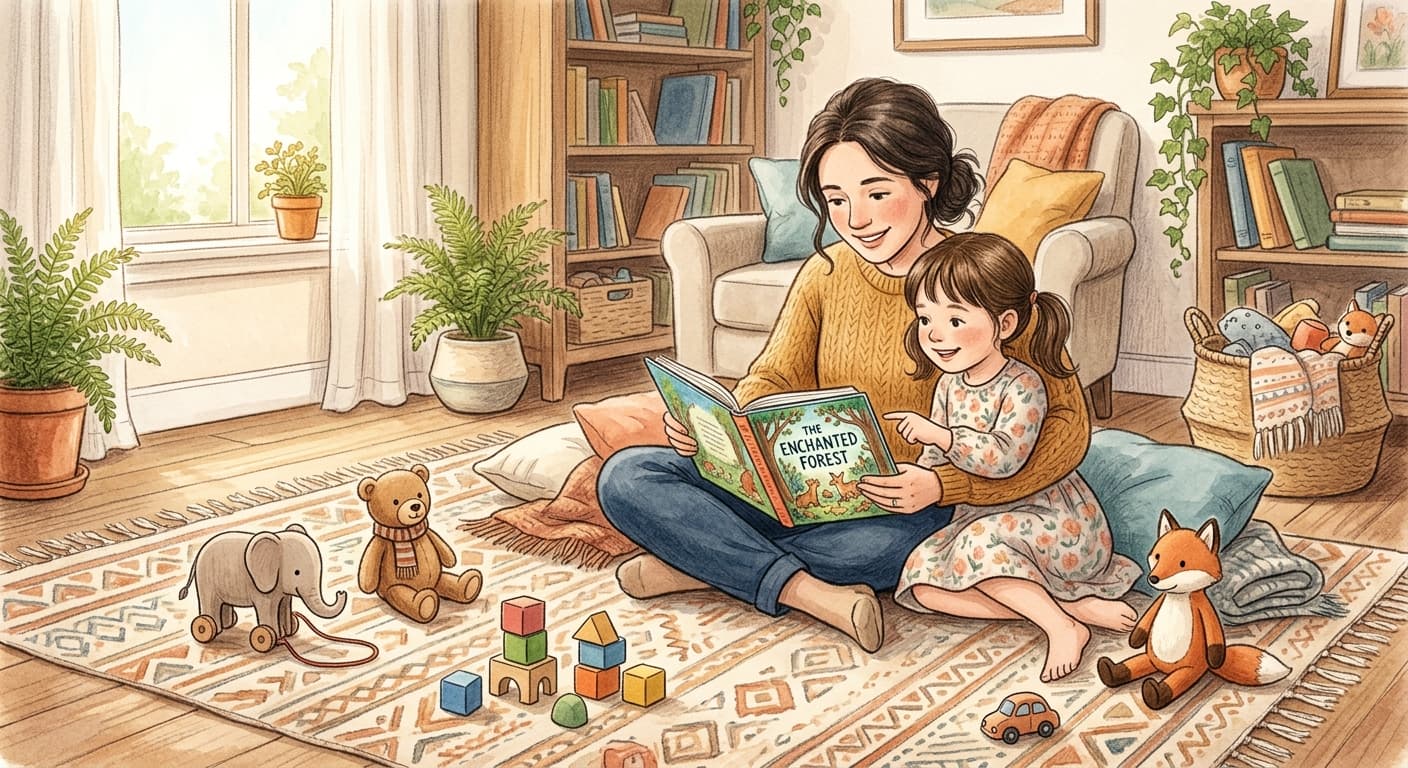
The bedtime routine is the perfect moment to cement these new habits. Reading a bedtime story about playing alone allows you to reflect on the day’s successes in a calm, low-pressure setting. When you read together, you aren't just telling a story; you are co-creating a vision of what your child is capable of.
Use this time to discuss the moments during the day when they played successfully on their own. By connecting the character’s journey in the book to their own real-life experiences, you turn a simple story into a powerful affirmation of their growing independence. This quiet, shared connection helps the child internalize that they are safe, capable, and confident even when you are not in the room.
Transformez ces idées en la prochaine histoire de votre enfant
Smart Storytime crée des livres personnalisés et adaptés à l'âge, où votre enfant est au cœur du récit. Essayez un livre — ou profitez de lectures illimitées avec un abonnement.