
Turning Fear Into Courage Through Storytelling
Discover how personalized storytelling acts as a gentle practice run for your child when facing their biggest fears.
The power of the narrative bridge
When a child faces a phobia—whether it is the hum of a vacuum cleaner, the shadows in a bedroom, or a fear of the doctor’s office—adult explanations often fall short. We use logic, but young children live in the world of imagination. Personalized stories for childhood fears work because they meet the child exactly where they are, translating abstract anxiety into a narrative they can control.
Creating a safe practice run
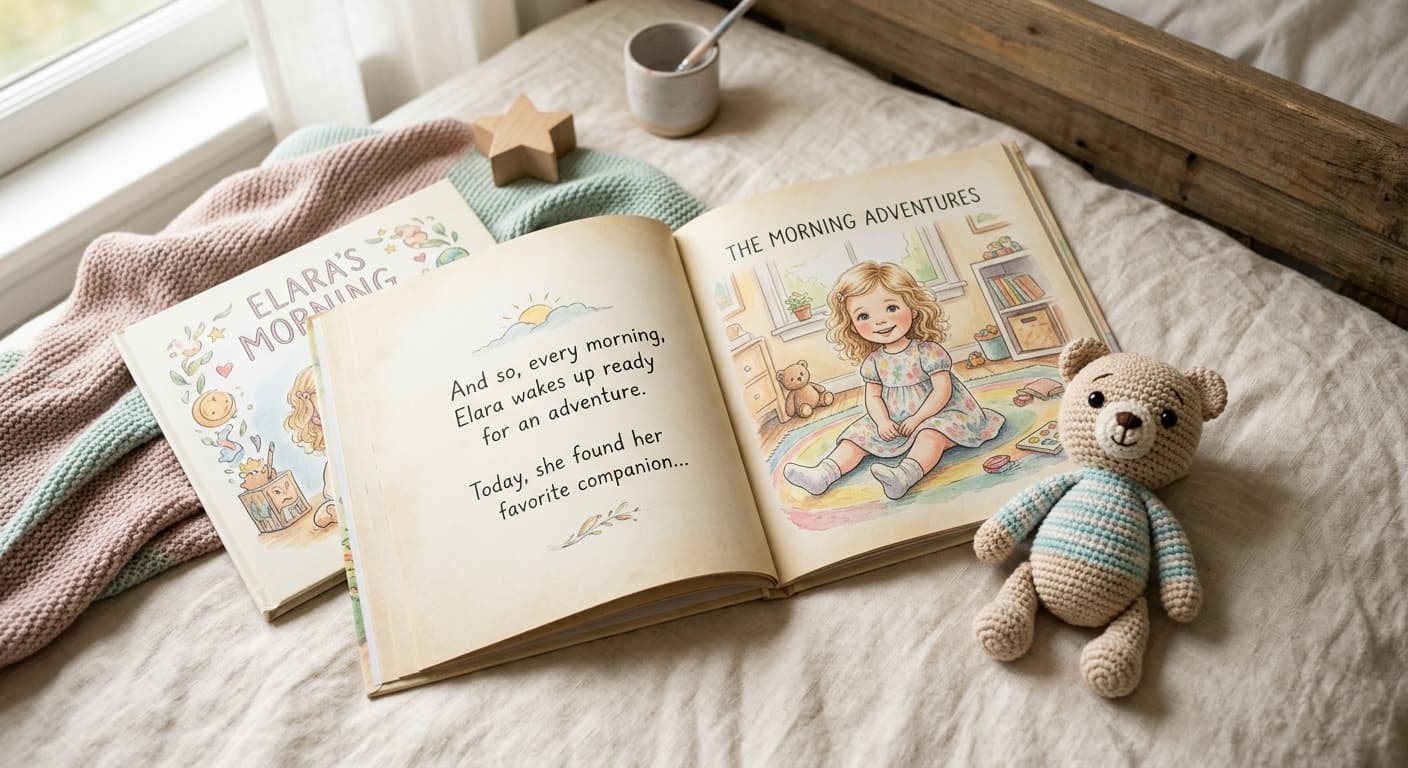
When you build a custom story, you are essentially creating a rehearsal space. By placing your child as the protagonist, you allow them to encounter the 'scary' situation within the pages of a book. Because the story reflects their actual environment—perhaps using their specific stuffed animal as a sidekick or mentioning the exact color of their nightlight—the brain recognizes the context as familiar and safe.
These stories about being brave do not dismiss the fear. Instead, they acknowledge it, validate the feeling, and then provide a pathway to manage it. When a child reads about themselves successfully navigating a frightening moment, they are building the neural pathways necessary to handle that same moment in real life.
Transforming the narrative
To craft effective courage stories for kids, focus on these three elements:
- Validate the emotion: Start by naming the fear clearly. If your child is afraid of the dark, describe exactly what that darkness looks like to them.
- Introduce a tool: Give the character a strategy, such as a deep breathing exercise, a specific mantra, or a comforting object that helps them feel secure.
- Highlight the victory: The resolution should not be that the fear disappears instantly, but that the child feels capable of moving through it.
Why personalization matters
General books about bravery are helpful, but stories about overcoming fears that feature your child’s own bedroom, their favorite sweater, or their specific routines are transformative. When the character in the book looks like them and faces their specific challenge, the child feels seen. This sense of being understood reduces the isolation that often accompanies childhood phobias.
By moving the fear from a reality that happens to them into a story they can hold, read, and discuss, you shift the power dynamic. You are providing them with the emotional tools to face the world with curiosity rather than trepidation. Next time you notice a recurring fear, try narrating a version of it where your child is the hero—you might be surprised at how quickly the fear begins to lose its edge.
Convierte ideas como estas en el próximo cuento de tu hijo
Smart Storytime crea libros personalizados y adecuados a su edad que ponen a tu hijo en el centro de la historia. Prueba con un libro — o accede a lecturas ilimitadas con un plan.