
Building Trust Through Stories: A Gentle Approach to Honesty
Discover how to move beyond lectures and use the power of storytelling to foster a culture of openness and integrity in your home.
Moving beyond the lecture
When we ask how to teach kids honesty, our instinct is often to correct the behavior immediately with a lecture. We want our children to understand the weight of their words, but for a young child, a lecture often feels like a threat to their security. When a child feels cornered, the instinct to protect themselves—even through a small lie—becomes overwhelming.
The anatomy of a small lie
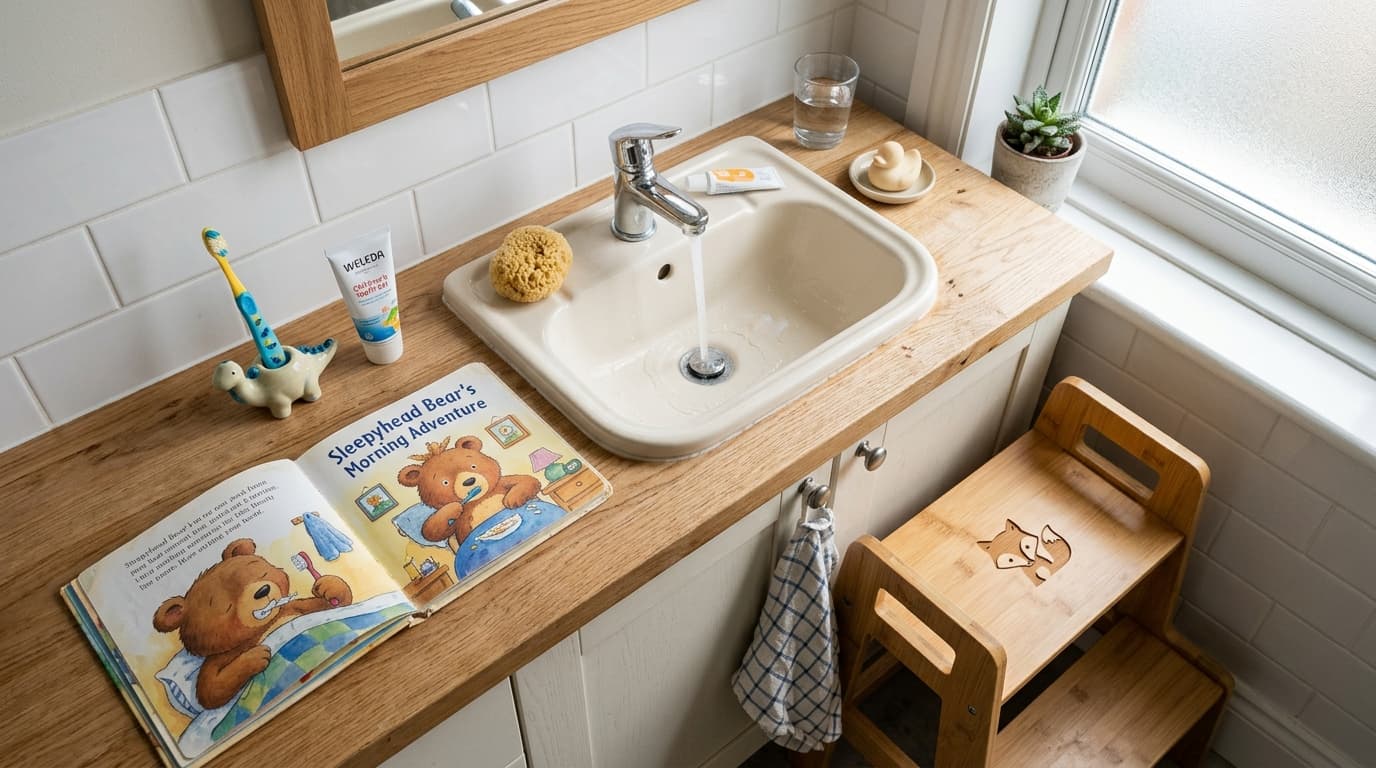
Consider the common scenario where a kid lies about brushing teeth. It is rarely about malice. Usually, it is a simple matter of avoiding a chore they find tedious or an attempt to get to bed faster. When we catch them in this moment, the goal should not be to shame them for the lie, but to address the underlying feeling of avoidance. If we react with anger, we inadvertently teach them that the truth is unsafe.
Creating a safe space for truth
Modeling honesty is our most powerful tool. If we admit to our own mistakes—like burning dinner or forgetting an appointment—we show our children that being human is acceptable. When we create an environment where the truth is met with curiosity rather than punishment, we make it easier for them to be honest in the future.
Why stories work better than rules
Young minds are wired for narrative. A personalized story about telling the truth allows a child to see themselves in a character who faces the same dilemmas. Unlike a lecture, which can feel like a confrontation, a story is an invitation. By seeing a character navigate the temptation to hide a mistake and choose the relief of honesty, the child learns the value of integrity in a way that feels safe and relatable.
Selecting the right narrative
When you look for a book about telling the truth for kids, focus on stories that mirror their specific experiences. If they are struggling with chores, choose stories about telling the truth that highlight the feeling of relief that comes after admitting a mistake. When personalizing a book, focus on these elements:
- The internal struggle: Acknowledge that wanting to avoid a task is normal.
- The 'safe' adult: Ensure the parent character in the story responds with understanding.
- The resolution: Focus on how the relationship is strengthened when the child tells the truth.
Prioritizing the relationship
Every book about telling the truth for kids should prioritize the parent-child relationship over the 'crime' of the lie. When we keep our connection at the forefront, we teach our children that they are loved for who they are, not just for their compliance. By choosing stories that emphasize empathy and growth, we build a foundation of honesty that lasts a lifetime.
Convierte ideas como estas en el próximo cuento de tu hijo
Smart Storytime crea libros personalizados y adecuados a su edad que ponen a tu hijo en el centro de la historia. Prueba con un libro — o accede a lecturas ilimitadas con un plan.